
Eunuchs in The Ottoman Empire
A Historical Reassessment

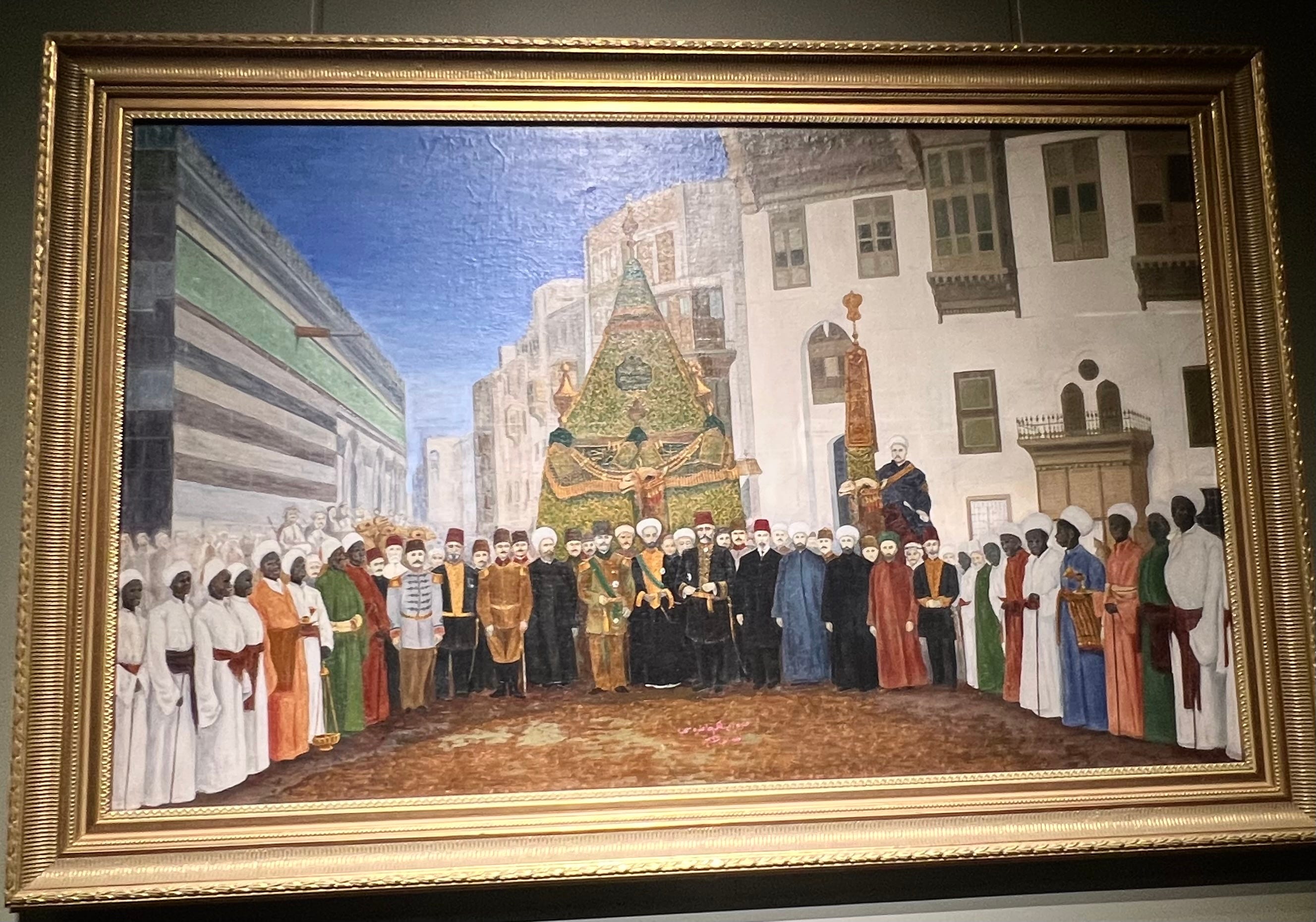
Above is a Painting in the Çamlıca Cami Museum, note the Abyssinian Eunuchs on both sides who are the guardians of The Prophets mosque in Medina in Ottoman times.
Eunuchs……The role of eunuchs in the Ottoman Empire is often misunderstood and misrepresented, particularly in orientalist literature that imposes assumptions shaped by European imagination rather than historical fact. In reality, many eunuchs who served in the Ottoman imperial system originated from regions such as Abyssinia (modern-day Ethiopia) and Greece. They had been enslaved within those cultures, often by Christian authorities and later freed by the Ottomans.
It is a common misconception that the Ottomans themselves performed or sanctioned castration. On the contrary, the Empire firmly prohibited such practices, considering them sinful and inhumane, especially outside the context of lawful combat. Islamic jurisprudence forbade mutilation, and castration fell within that category.

The castration of young boys was in fact carried out in Christian territories, particularly by monastic or ecclesiastical orders. Many of these boys were destined for lives of celibacy and spiritual service within their own communities, where they were seen as offering themselves for the “Kingdom of Heaven.” When these individuals entered Ottoman lands whether through trade, tribute, or rescue, they were often liberated and found new purpose in palace or religious service.
Notably, Abyssinian eunuchs held a highly respected position within the sacred precincts of the Prophet’s Mosque in Medina. They were among the few permitted to enter the inner chamber where the Prophet Muhammad (peace be upon him) is buried. Far from being mere functionaries of a royal court, they were considered stewards of sanctity, charged with a responsibility that was both spiritual and ceremonial in nature. ( see above painting)
Thus, the story of eunuchs in the Ottoman world is not one of brutality, but one of redemption, dignity, and honored service marked by the Empire’s refusal to perpetuate the violence inflicted upon them in their homelands.
Acknowledgement: historical perspective taught by Abu Ayyub an Islamic history teacher and guide in Istanbul, Turkiye.